
Understanding Fat Types and Wellness
Not all fats are created equal. Learn how to distinguish between different types of dietary fats and discover how each plays a unique role in supporting your overall health and wellbeing.
This comprehensive guide explores saturated, unsaturated, trans fats and their impacts on your body. Master the science behind fat types and build a balanced, informed approach to nutrition.
Did you know? Your body needs healthy fats for hormone production, vitamin absorption, and brain function. The key is choosing the right types and maintaining balance.
The Four Fat Categories
Each type of fat has distinct chemical structures and effects on your health. Understanding these differences is essential for making informed dietary choices.
Saturated Fats
Solid at room temperature, found in butter, coconut oil, and fatty meats. While they've received negative attention, moderate amounts are essential for cell function and hormone production. The key is balance and choosing quality sources.
Unsaturated Fats
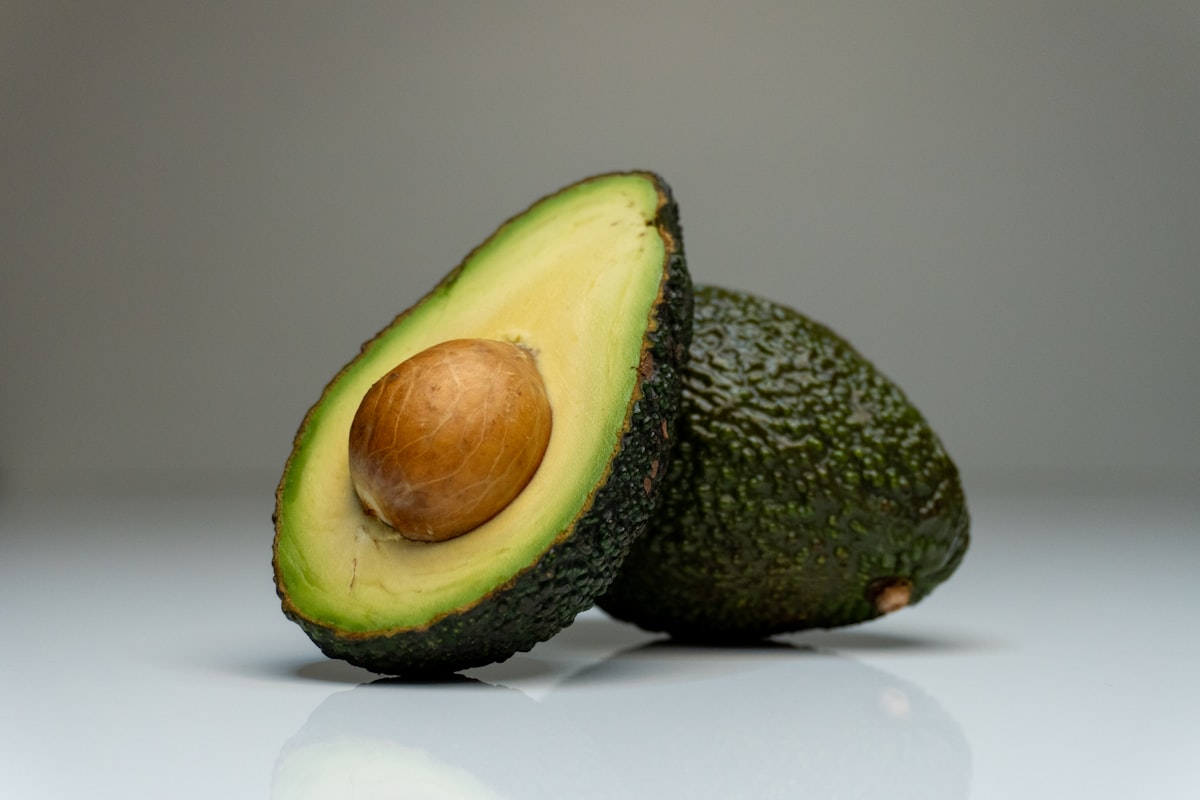
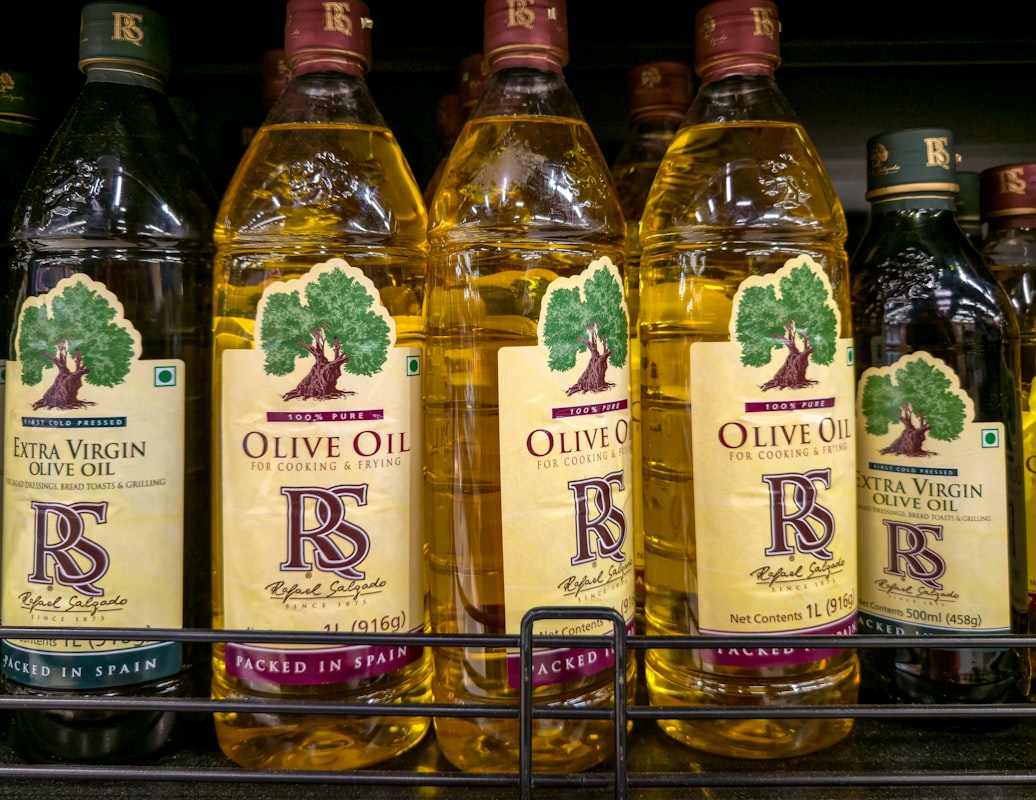
Liquid at room temperature, found in olive oil, avocados, nuts, and fatty fish. These fats support heart health, reduce inflammation, and provide omega-3 and omega-6 fatty acids crucial for brain function and cellular health.
Trans Fats
Artificially created through industrial processing, found in processed foods and some margarines. These fats increase inflammation and negatively impact cholesterol levels. Most health authorities recommend minimising trans fat consumption where possible.
Building Your Balanced Fat Intake
Creating a balanced approach to dietary fats doesn't require elimination or extreme restriction. Instead, focus on understanding your individual needs and making thoughtful choices based on your health goals and lifestyle.
Include Diverse Sources
Incorporate a variety of fat sources—olive oil, avocados, fish, nuts, seeds, and moderate amounts of animal products—to ensure you receive a full spectrum of nutrients.
Monitor Total Intake
Aim for fats to comprise 25-35% of your daily calories. This proportion supports hormone function, nutrient absorption, and satiety while maintaining balanced energy intake.
Minimise Processed Products
Read labels carefully and reduce consumption of ultra-processed foods high in trans fats and refined oils. Whole food sources provide better nutritional profiles.
Personalise Your Approach
Individual fat needs vary based on activity level, age, health status, and personal goals. Consider consulting with a registered nutritionist to develop a plan suited to your unique circumstances.
Common Questions About Dietary Fats
Find answers to frequently asked questions about fat types, health impacts, and how to incorporate them wisely into your lifestyle.
Are all saturated fats unhealthy?
No. While high intake of some saturated fats has been linked to elevated cholesterol, not all saturated fats affect your body equally. Coconut oil, for example, contains medium-chain triglycerides that your body processes differently. Quality sources in moderate amounts can be part of a balanced diet. The issue often lies with excessive intake combined with processed foods rather than saturated fat itself.
Which fats are best for cooking?
Choose oils based on their smoke point—the temperature at which they break down. Saturated fats like coconut oil and ghee have high smoke points and work well for cooking. Extra virgin olive oil is best used for dressings and low-heat applications. Avocado oil offers a good balance of stability and nutrition for medium-to-high heat cooking. Avoid refined vegetable oils high in omega-6 linoleic acid.
How do omega-3 and omega-6 fats differ?
Both are essential polyunsaturated fats your body cannot produce. Omega-3 fats (from fish, flaxseed, walnuts) reduce inflammation and support brain health. Omega-6 fats (from sunflower oil, nuts) are also important but often overconsumed in modern diets. Balance matters—aim for a ratio closer to 2:1 or 3:1 omega-6 to omega-3 to reduce overall inflammation.
Can I lose weight while eating fats?
Yes. Healthy fats support satiety and help you feel fuller longer, potentially reducing overall calorie intake. Fats are more calorie-dense than carbohydrates and protein, so portion awareness matters. However, including quality fats in your diet supports hormone balance, nutrient absorption, and sustainable healthy habits—making weight management easier when approached holistically.
What about cholesterol and dietary fat?
The relationship between dietary fat and blood cholesterol is more complex than previously thought. Your body produces cholesterol regardless of intake—genetics and overall diet quality matter more than fat alone. Focus on reducing trans fats, refined carbohydrates, and processed foods. Include unsaturated fats and fibre-rich foods to support healthy cholesterol levels.
Are low-fat diets still recommended?
Modern nutrition science has moved away from low-fat recommendations. Research shows that moderate fat intake supporting a balanced macronutrient distribution better supports long-term health, hormone function, and nutrient absorption. Very low-fat diets can interfere with vitamin absorption and leave you feeling unsatisfied, making adherence difficult.
Why Choose Holistic Habit Path
Our editorial approach to nutrition and wellness focuses on evidence-based information, balanced perspectives, and practical guidance for real life.
Evidence-Based Content
Every article and guide is grounded in current nutritional science and peer-reviewed research. We present multiple perspectives and acknowledge areas where scientists still disagree.
Balanced Perspective
We avoid extremes and dogmatic approaches. Health is individual, and our content respects that different people thrive with different nutritional approaches based on their circumstances.
Practical Guidance
Knowledge is valuable only when applied. Our guides include actionable steps, meal ideas, and real-world strategies you can implement immediately in your daily life.
Comprehensive Guides
Move beyond headlines and soundbites. Our in-depth articles explore nuance, explain underlying mechanisms, and equip you with genuine understanding of how food affects your body.
Editorial Team
Our writers and contributors bring backgrounds in nutrition science, medicine, and health coaching. We maintain high editorial standards and continuously update content as science evolves.
Transparent & Honest
We're honest about what we know and don't know. Our content includes disclaimers, caveats, and clear guidance on when to seek professional medical advice.
Real Stories from Our Readers (Note: Individual results may vary)
Discover how people across the UK have transformed their approach to nutrition by understanding fat types and building healthier eating habits.
"I've always been confused about which fats to eat and which to avoid. - A nutrition-conscious reader from Manchester, UK to eat and which to avoid. This guide cleared everything up brilliantly. The explanation of saturated versus unsaturated fats finally made sense, and I've completely changed which oils I cook with. My energy levels have improved, and I feel so much more confident about my food choices now."
Sarah Mitchell
Manchester, UK
"As someone who's always been scared of eating fat, this balanced perspective was exactly what I needed. Learning that healthy fats are essential rather than something to fear has genuinely transformed my relationship with food. The practical tips about omega-3 sources and cooking temperatures have made a real difference in my kitchen."
James Richardson
Birmingham, UK
"I appreciated how thorough and evidence-based this content is. No hype, no miracle claims—just solid science explained clearly. The FAQ section answered questions I didn't even know I had. I've recommended this to friends and family who are also trying to understand nutrition better."
Emma Thompson
London, UK
Explore More Articles & Guides
Browse our collection of evidence-based articles on nutrition, healthy eating habits, and building a sustainable approach to wellness.
Complete Guide to Fat Types
Deep dive into saturated, unsaturated, and trans fats. Learn the chemistry, food sources, and health implications of each fat type.
Read Article →Building Health Balance
Practical strategies for incorporating healthy fats into your diet. Meal planning ideas, cooking tips, and personalisation guidance.
Read Article →Understanding Inflammation & Diet
Explore how different fat ratios influence inflammation markers. Learn about omega-3/omega-6 balance and anti-inflammatory eating patterns.
Coming SoonStart Your Journey to Understanding Nutrition
Join readers across the UK who are making informed choices about their diet. Download our comprehensive guides and discover how balanced fat intake supports your wellness.
About Holistic Habit Path
Holistic Habit Path is an editorial platform dedicated to bridging the gap between nutrition science and everyday life. We believe that sustainable health comes from understanding your body, making informed choices, and building habits that fit your unique circumstances.
Our team of writers, researchers, and health enthusiasts works to translate complex nutritional science into accessible, practical guidance. We're not here to sell you quick fixes or extreme diets—we're here to help you understand nutrition deeply and build an approach that truly works for you.
Based in London and serving readers across the United Kingdom, we're committed to evidence-based content, transparent perspectives, and the belief that balanced, informed nutrition is the foundation of long-term wellness.
Learn More About Us